 Save to Pinterest
 I stumbled into Buddha bowls quite by accident on a Tuesday afternoon when my fridge was full of vegetables I'd bought with good intentions but no clear plan. I remember standing there, staring at cherry tomatoes, spinach, and half an avocado, when it hit me—why not just build something beautiful instead of cooking five separate things? That first bowl, assembled with the kind of logic only hunger and curiosity can provide, tasted like possibility. Now I make them constantly, and every time I do, I think about how the best meals often come from constraint, not plenty.
The first time I made this for my partner, I spent way too long arranging the vegetables in neat little sections, like I was plating for a magazine. He laughed at how serious I looked and then devoured the whole thing in about six minutes. That's when I realized the beauty of a Buddha bowl isn't in the presentation—it's that everyone can eat exactly what they want, skip what they don't, and still feel like they're eating something intentional and good.
Ingredients
- Quinoa or brown rice (1 cup uncooked): The foundation matters more than you'd think—quinoa stays fluffy and nutty, while brown rice gets slightly chewy and comforting, so pick whichever mood you're in.
- Cherry tomatoes (1 cup, halved): Their sweetness and brightness balance everything, but if they're mealy, just use regular tomatoes sliced thicker.
- Shredded carrots (1 cup): They add a natural sweetness and crunch that holds up even when dressed, plus they're genuinely pretty.
- Baby spinach (1 cup): Tender enough not to need cooking, and it wilts just slightly from the warm grains.
- Steamed broccoli florets (1 cup): Steam them until they're just tender with a tiny bit of give—overcooked broccoli is the enemy here.
- Avocado (1 ripe): The creamy contrast is essential, but only slice it right before assembling, or it'll turn sad and brown.
- Radishes (2, thinly sliced): They bring a sharp, peppery note that keeps everything from feeling heavy.
- Firm tofu or chicken breasts: Choose based on what you're craving; both take seasoning beautifully and cook quickly.
- Tahini (3 tbsp): The real star—buy the good stuff if you can, because cheap tahini tastes like cardboard.
- Lemon juice (2 tbsp), olive oil (1 tbsp), maple syrup or honey (1 tbsp), water (2 tbsp): Together, these create a dressing that's tangy, slightly sweet, and rich without being heavy.
- Garlic (1 small clove, minced), salt, and pepper: The garlic adds depth to the dressing, but use a light hand or it overpowers everything.
- Toasted sesame seeds and fresh coriander or parsley: These final touches give you texture and a burst of fresh brightness.
Tired of Takeout? 🥡
Get 10 meals you can make faster than delivery arrives. Seriously.
One email. No spam. Unsubscribe anytime.
Instructions
- Cook your grain:
- Bring water to a boil, add quinoa or rice, then simmer covered until tender and the liquid's absorbed—usually 15 minutes for quinoa, 20-25 for brown rice. Fluff with a fork and set aside; it'll stay warm for a bit.
- Prep your protein:
- For tofu: press it firmly between paper towels to remove excess moisture, then toss the cubes with a little olive oil, salt, and pepper before spreading on a baking sheet. Bake at 200°C for about 20 minutes, stirring halfway, until the edges are golden and slightly crispy. For chicken: season thin slices with salt and pepper, then sauté in a hot skillet with a splash of olive oil over medium-high heat for 6-8 minutes, flipping halfway, until cooked through and lightly browned.
- Prepare the vegetables:
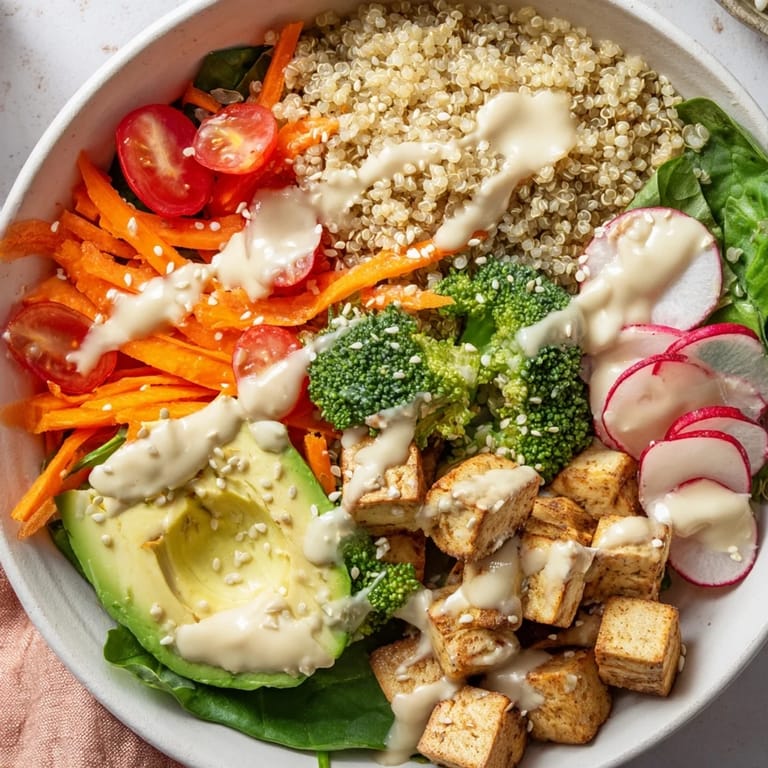
- While the protein cooks, halve your cherry tomatoes, shred the carrots, steam the broccoli until just tender, slice the avocado, and thinly slice the radishes. Keep them separate for now—you're building a bowl, not a salad.
- Whisk the dressing:
- Combine tahini, lemon juice, olive oil, maple syrup or honey, minced garlic, salt, and pepper in a bowl, then slowly add water while whisking until the dressing reaches a pourable consistency. Taste and adjust the seasoning; it should taste a bit tangy and garlicky.
- Assemble the bowls:
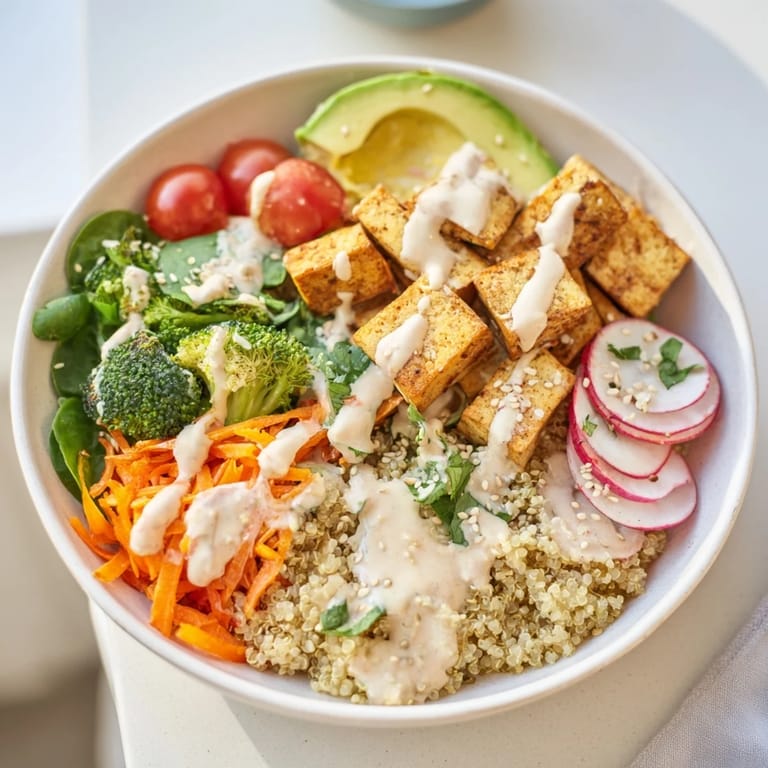
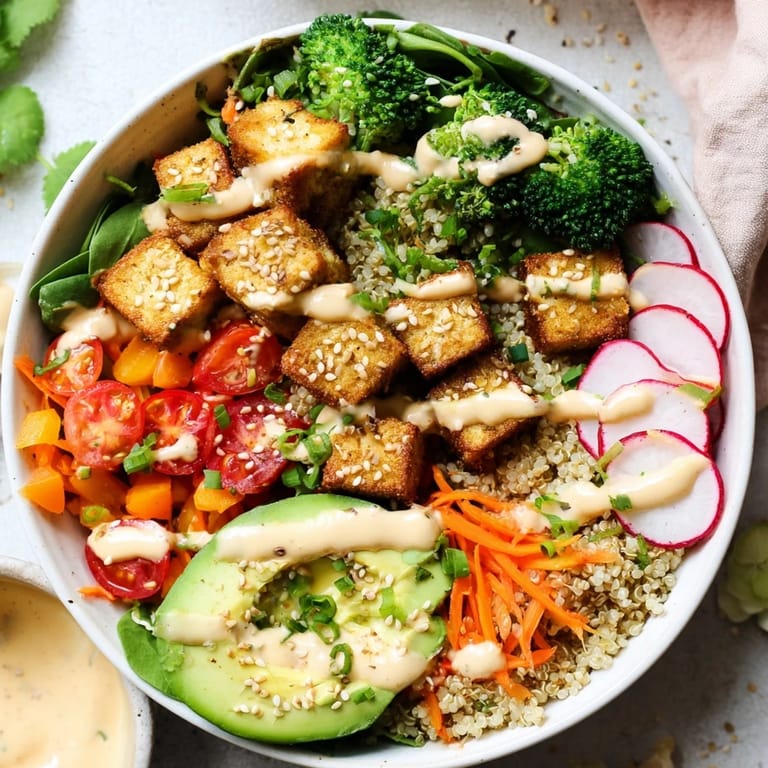
- Divide the warm grain among four bowls, then arrange each vegetable and your cooked protein in neat sections around the bowl—this isn't just pretty, it lets people customize their bites. Drizzle generously with tahini dressing.
- Finish and serve:
- Sprinkle sesame seeds and fresh herbs over the top, add pickled onions if you like that sharp vinegary punch, and serve right away while the grain is still warm.
 Save to Pinterest
 I once made this bowl for a friend who was going through a rough patch, and she told me months later that those Thursday lunches I kept bringing over felt like someone was saying, without saying it, that things would get better. Food can be just fuel, but sometimes it's also permission to take care of yourself, and this bowl—colorful and whole and balanced—feels like exactly that.
Why This Bowl Works
A Buddha bowl succeeds because it respects contrast: warm and cool, soft and crunchy, earthy and bright. The grains anchor everything, the vegetables bring color and nutrition, the protein makes it a meal, and the tahini dressing ties it all together with richness and tang. There's nothing fancy about this logic, but there's something satisfying about building something so intentional that every bite tastes deliberate.
Making It Your Own
This is a template more than a rule, and the best part is how flexible it is without falling apart. If you don't have broccoli, use cauliflower or green beans; if quinoa feels expensive, brown rice or farro work perfectly fine. I've made this with shrimp, with roasted chickpeas, with tempeh—the structure stays the same, just your protein changes. The dressing works on almost everything too, which means once you master it, you've got a tool for salads, roasted vegetables, and grain bowls for life.
The Small Details That Matter
I learned the hard way that vegetable prep takes longer than you'd think, so do it while the grains cook rather than after. The tahini dressing tastes thin and flat if the garlic isn't minced finely, so take that extra 30 seconds. And if you're making this for someone else, let them assemble their own bowl—part of the joy is getting to choose what goes where, and it makes the whole thing feel less like you're serving and more like you're cooking together.
- Toast the sesame seeds in a dry skillet for about two minutes before serving; it multiplies their nutty flavor by about ten times.
- Keep extra tahini dressing in the fridge for up to five days—it thins a bit as it sits, but a splash of lemon juice brings it back to life.
- If you're meal prepping, assemble everything except the avocado and herbs the night before, then add those fresh when you're ready to eat.
 Save to Pinterest
 Every time I make this bowl, I remember why I started making them in the first place—it's nourishing without being fussy, beautiful without being precious, and it tastes like you took care of yourself without making a big production out of it. That's the kind of meal worth coming back to again and again.
Recipe FAQs
- → What grains work best in this bowl?
Quinoa and brown rice are excellent for their texture and nutrition, but farro or millet can be used as tasty alternatives.
- → How can I prepare the protein options?
Tofu should be baked until golden after seasoning, while chicken slices are sautéed until cooked through, offering different textures and flavors.
- → Can the tahini dressing be customized?
Yes, you can adjust the lemon juice, sweetener, or garlic levels to suit your taste or dietary needs, even substituting maple syrup for honey.
- → Is this bowl suitable for gluten-free diets?
Using certified gluten-free grains like quinoa ensures this bowl remains gluten-free; always check ingredient labels for allergens.
- → What toppings enhance the bowl’s flavor?
Toasted sesame seeds add crunch while fresh coriander or parsley contribute bright herbal notes; pickled red onions offer a tangy twist if desired.