 Save to Pinterest
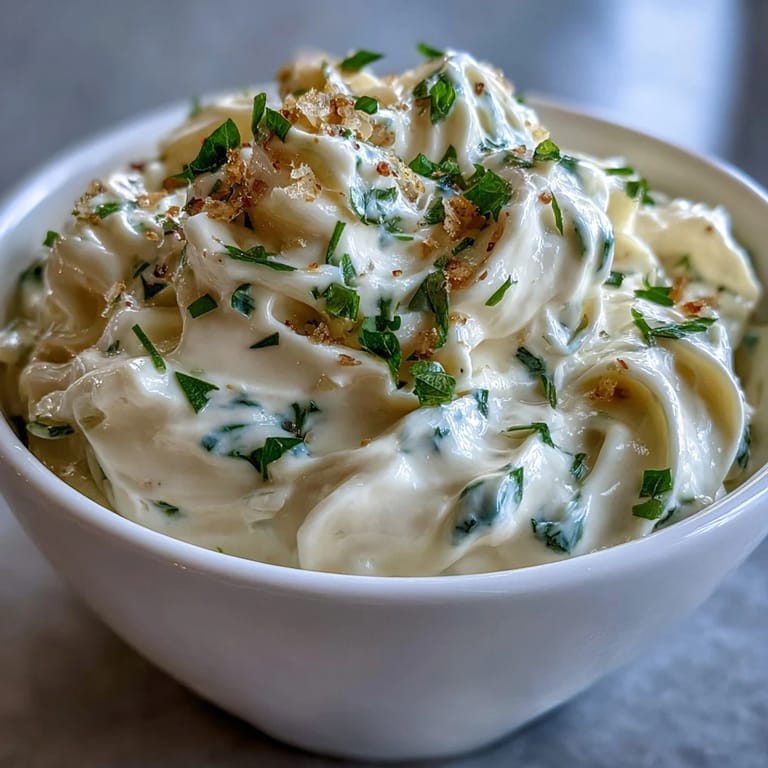
 The hum of the whisk against the bowl always makes me pause when I whip up this garlic aioli. Oddly enough, I first tried making aioli not out of necessity but pure curiosity one lazy Sunday while craving something to dress up my leftover roasted potatoes. The aroma of raw garlic mingling with lemon and the glossy ribbon of homemade mayonnaise made my kitchen feel like a Mediterranean café. Friends wandered in, drawn by curiosity, and soon we were all fighting for the bowl with fresh bread scraps. It’s one of those versatile recipes that sneaks into rotation before you even realize it.
I still remember whisking up a batch as the kitchen filled for a game night, balancing conversation and my first attempt at slowly drizzling in oil without breaking the sauce—everyone cheered when it came together perfectly.
Ingredients
- Egg yolk: Must be room temperature so it emulsifies smoothly; trust me, a cold yolk nearly ruined my first try.
- Dijon mustard: Adds depth and helps the emulsion hold—a little goes a long way.
- Lemon juice: The tart brightness balances the richness; fresh squeezed always tastes best.
- Neutral oil (such as sunflower or canola): Goes unnoticed flavor-wise, letting the garlic shine through; drizzle as slowly as you can at first.
- Garlic cloves: Raw, grated, or very finely minced—more garlic for lovers, roasted if you want subtlety.
- Sea salt: Enhances all the flavors, but taste as you go so it doesn’t overpower.
- Freshly ground black pepper: Just a few grinds gives a whiff of heat you’ll miss if you skip it.
Tired of Takeout? 🥡
Get 10 meals you can make faster than delivery arrives. Seriously.
One email. No spam. Unsubscribe anytime.
Instructions
- Whisk Your Base:
- Combine egg yolk, Dijon mustard, and lemon juice in a medium bowl and whisk until the mixture looks creamy and just a little foamy.
- The Slow Drizzle:
- Start adding the oil literally drop by drop, whisking constantly until you see it thicken; patience here is key for that magical emulsion.
- Stream and Shine:
- Once the mix thickens, pour the oil in a thin stream while whisking briskly—your arm might get tired, but it’s worth it for how glossy and thick the aioli becomes.
- Add the Essentials:
- Stir in minced garlic, a generous pinch of salt, and a little pepper; inhale deeply and taste for balance.
- Chill and Serve:
- Spoon the aioli into a jar or bowl, cover tightly, and refrigerate for up to three days so the flavors meld perfectly.
 Save to Pinterest
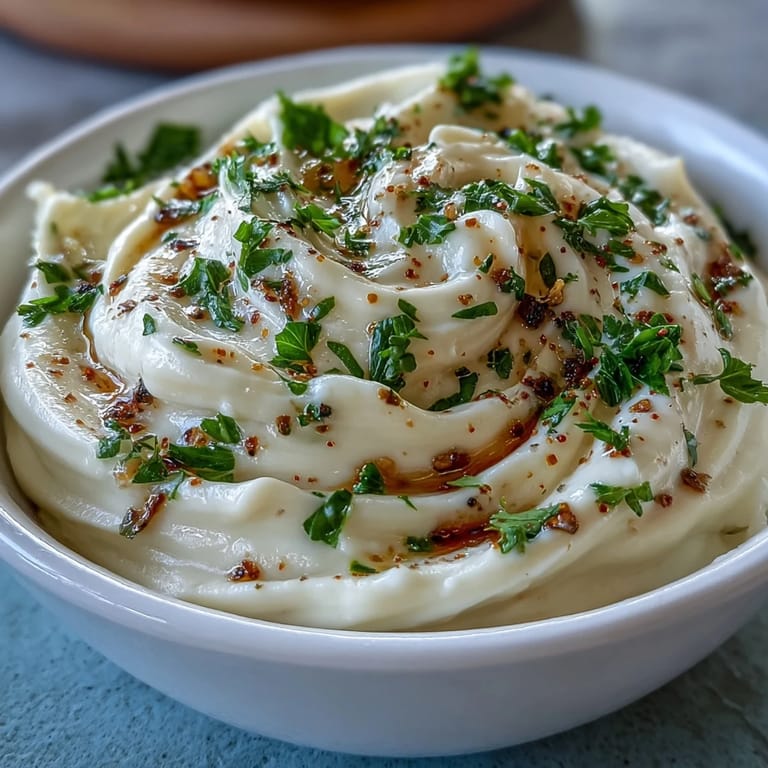
 Handing a friend a spoonful of garlicky aioli fresh from the whisk, I watched her eyes light up in surprise—the sort of reaction that turns a humble sauce into an instant tradition.
Making the Texture Just Right
One thing I discovered was how the consistency depends so much on how slowly you add the oil and how vigorously you whisk. If it looks too thin, a pause and more whisking work wonders, so don’t rush this part.
Ways to Make It Your Own
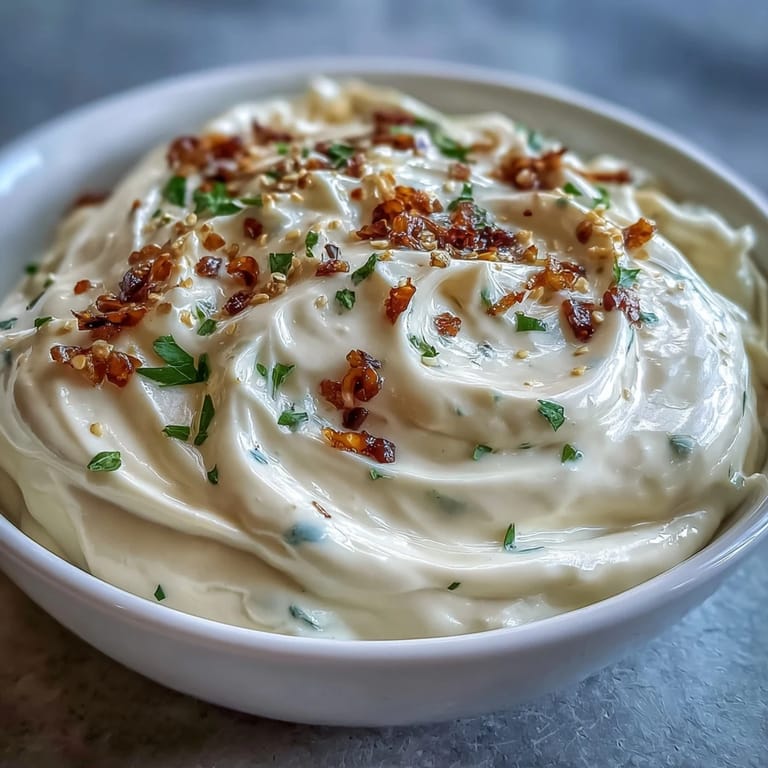
This aioli is a blank canvas: I once stirred in a pinch of smoked paprika, and now it’s a must for grilled shrimp. Finely chopped herbs or even a swirl of sriracha work beautifully for spice lovers.
Quick Serving Ideas Everyone Loves
From dunking hot fries to elevating a veggie platter, this aioli finds its way onto almost everything I cook. It transformed a plain sandwich into something crave-worthy just last week. If you want it milder, try roasting the garlic next time.
- Try spreading it on burgers or sliders.
- Serve alongside crispy oven potatoes or calamari.
- Use as a dip for steamed artichokes or crudités.
 Save to Pinterest
 May your aioli always be thick and zippy, and your fries never be lonely. Homemade touches like this make even the simplest meal a little celebration.
Recipe FAQs
- → How do you make a creamy aioli base?
Begin by whisking egg yolk, Dijon mustard, and lemon juice, then slowly add oil while whisking to emulsify until thick and glossy.
- → How can I mellow the garlic flavor?
For a softer taste, use roasted garlic instead of raw, blending it in after the aioli base is formed.
- → What oils are best for this aioli?
Neutral oils like sunflower or canola are ideal as they won’t overpower the subtle garlic and lemon notes.
- → Is this aioli suitable for vegetarians and gluten-free diets?
Yes, it is vegetarian and naturally gluten-free, but always check labels for any potential allergens or cross-contamination.
- → Can I make a vegan version?
Replace the egg yolk with aquafaba and increase the mustard slightly to achieve similar creamy results.