 Save to Pinterest
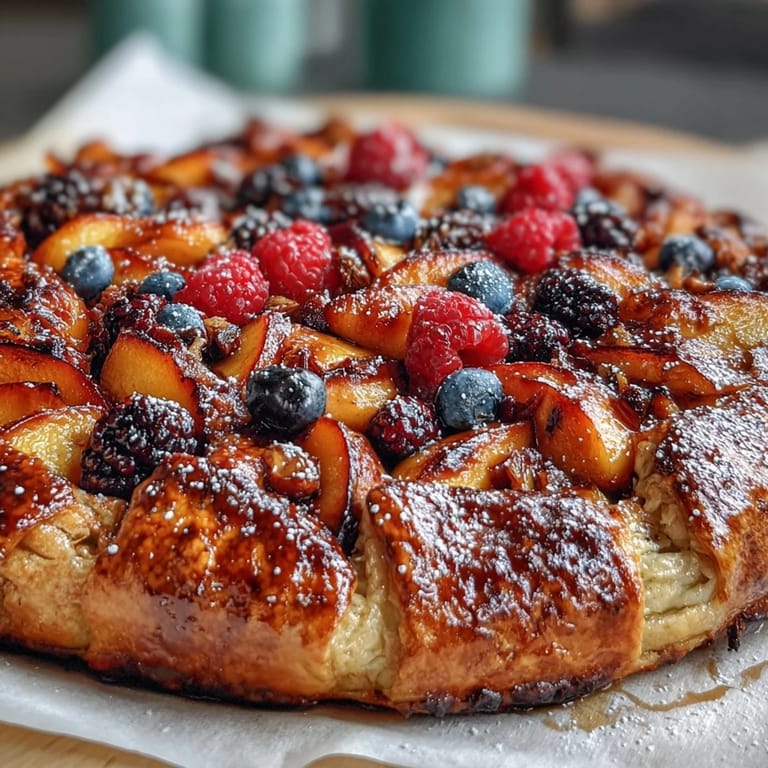
 There's something about July that makes me crave pastry—specifically, the kind that crackles under your fork and spills warm fruit everywhere. A friend brought a stone fruit galette to a potluck years ago, and I watched people abandon their plates mid-conversation just to reach for another slice. I finally asked for the secret, expecting something complicated, but it was simply ripe fruit, butter, and the courage to let it look rustic. Now I make this whenever I want to feel like I've pulled off something effortlessly French, even if my pleating looks more accident than intention.
I made this for my neighbor once when her son came home from college, and she cried a little while eating it—not because it was flawless, but because it tasted like summer and effort and someone thinking of her. That's when I realized galettes aren't really about precision; they're about knowing someone well enough to bake them something that looks like you spent three hours fussing when really you just folded some butter and fruit together.
Ingredients
- All-purpose flour: Use a reliable brand you know—cheap flour sometimes lacks the structure to hold butter layers properly, and your pastry becomes greasy instead of flaky.
- Unsalted butter, cold and cubed: This is non-negotiable; warm butter won't create those precious flaky layers that make people close their eyes when they bite in.
- Ice water: Keep a bowl of ice nearby and add water gradually—you want barely-holding-together dough, not a wet mass you have to fight.
- Almond flour: Make sure it's truly fine; coarser versions can feel gritty and won't blend smoothly into the frangipane.
- Mixed stone fruits: Peak ripeness matters more here than at any other time in your cooking life—underripe fruit bakes hard and tastes like regret.
- Cornstarch: Two tablespoons is enough to catch excess moisture without making the filling starchy or heavy.
- Coarse sugar for sprinkling: This catches the oven light and makes everything look more intentional than it probably was.
Tired of Takeout? 🥡
Get 10 meals you can make faster than delivery arrives. Seriously.
One email. No spam. Unsubscribe anytime.
Instructions
- Build your pastry foundation:
- Whisk flour, sugar, and salt together, then work in cold cubed butter with a pastry blender or your fingertips until the mixture looks like breadcrumbs with some pea-sized pieces still visible. This texture is what gives you layers. Add ice water slowly, mixing just until the dough barely holds together—you want to handle it as little as possible so gluten stays relaxed.
- Chill the dough until it feels solid:
- Flatten it into a disk, wrap it, and refrigerate for at least 30 minutes, or overnight if you're planning ahead. Cold dough doesn't shrink as much in the oven and stays flakier.
- Prepare the almond cream layer:
- Cream softened butter and sugar together until it's pale and fluffy, then beat in the egg and fold in almond flour, vanilla, almond extract if using, and salt. This should look smooth and spreadable, almost like fancy peanut butter.
- Season your fruit gently:
- Toss sliced stone fruits with sugar, cornstarch, and fresh lemon juice—the cornstarch absorbs released liquid so your galette doesn't become a soggy mess, and lemon juice brightens flavor without adding obvious tartness.
- Shape and fill on your baking sheet:
- Roll chilled dough into a 12-inch circle on lightly floured parchment, then spread frangipane across it leaving a 2-inch border. Arrange fruit in the center, pile it a little higher than seems reasonable because it will shrink and settle as it bakes.
- Create your rustic edge:
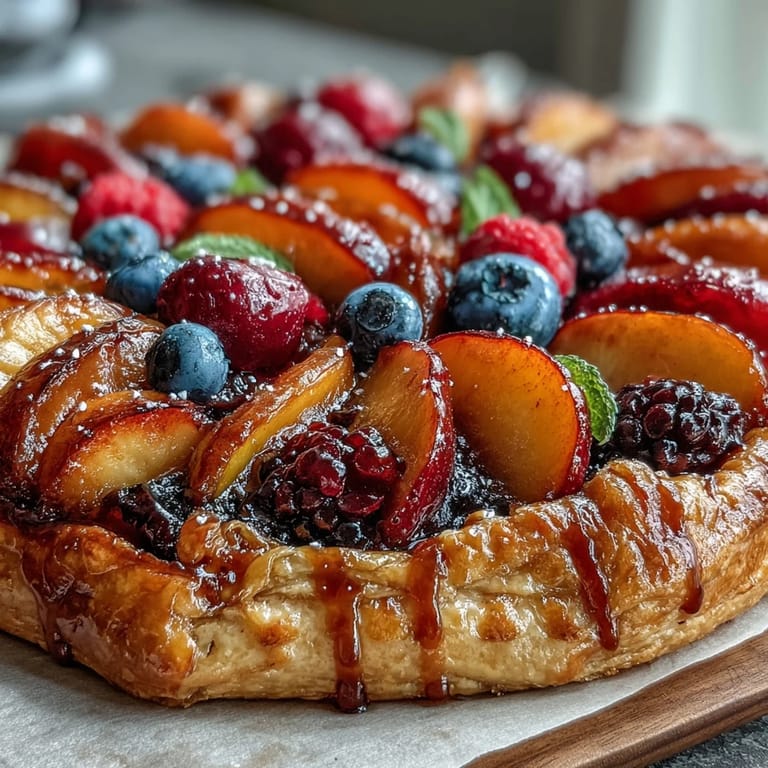
- Fold the dough border up and over the filling, letting it drape and pleat naturally—uneven folds look intentional and homemade. Brush the exposed pastry with beaten egg and sprinkle with coarse sugar for that crunchy, caramelized edge.
- Bake until golden and bubbling:
- At 400°F, this takes 35 to 40 minutes; you're looking for pastry that's deep golden brown and fruit that's visibly bubbling at the edges. The kitchen will smell insane by minute 25, and that's your signal it's almost done.
 Save to Pinterest
 The first time someone served me a slice still warm with vanilla ice cream melting into the cracks, I understood why people keep recipe boxes and return to certain dishes year after year. This galette became that for me—simple enough to make on a Tuesday but special enough to celebrate a weekend.
Picking Your Stone Fruits Wisely
The fruit is honestly the whole story here, so choose things that yield slightly when you press them gently—not mushy, but alive. I've learned to shop late in the afternoon at farmers markets when vendors are ready to talk about which peaches peaked that morning. A mix of colors and types keeps things interesting: dark plums provide tartness, yellow peaches add sweetness, and white nectarines bring delicate floral notes that catch people off guard in the best way.
Making This Ahead Without Stress
The beauty of this galette is that most of the work happens before your guests arrive. I often make the dough and frangipane the day before, storing both in the fridge, then assemble and bake fresh the morning of. Even if you've only got 30 minutes, making pastry is actually faster than it sounds—you're mixing four ingredients and taking a nap while it chills.
Serving and Storing Your Galette
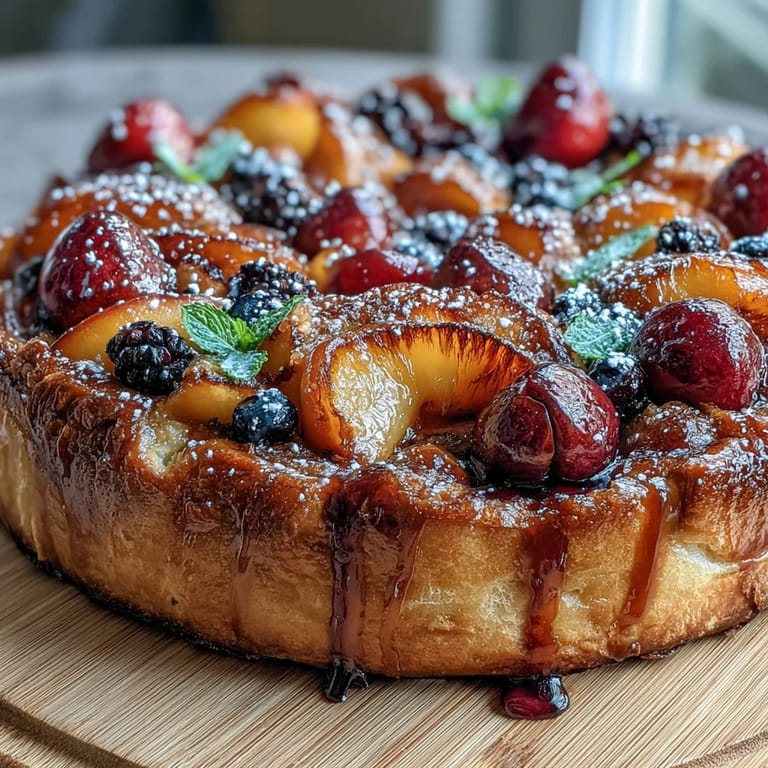
Serve this warm or at room temperature, and it's genuinely better the next day when flavors have melded and the pastry has softened slightly from fruit moisture—that's not sad, that's intentional development. Store leftovers loosely covered on the counter for two days, or wrap tightly and refrigerate for up to four days. You can even freeze a baked galette and warm it gently before serving.
- A slice of cold vanilla ice cream melting into warm pastry is the only acceptable way to eat this if you have the option.
- Dust with powdered sugar just before serving if you want it to look even more effortlessly elegant.
- Cinnamon, nutmeg, or a pinch of cardamom in the fruit filling deepens everything without screaming spice.
 Save to Pinterest
 This galette taught me that some of the most impressive things you can make are actually the simplest—a few excellent ingredients treated with care, and time doing most of the work for you. Make it once and it becomes yours to refine, adjust, and share.
Recipe FAQs
- → What types of stone fruits work best?
Peaches, plums, nectarines, apricots, and cherries all make excellent fillings due to their juicy, sweet flavors when ripe.
- → How can I achieve a flaky crust?
Use cold butter cut into flour until coarse crumbs form and incorporate cold water gradually. Chilling the dough before rolling enhances flakiness.
- → Can I prepare components ahead of time?
Yes, both the dough and almond frangipane can be made a day in advance and refrigerated until needed.
- → What is the purpose of the almond frangipane?
The almond frangipane adds a smooth, nutty layer beneath the fruit, balancing sweetness and offering richness in each bite.
- → How should I serve the galette?
Serve warm or at room temperature, optionally paired with vanilla ice cream or whipped cream for added contrast.