 Save to Pinterest
 The first time I encountered hojicha, I was wandering through a quiet Tokyo café during a rainy afternoon. The barista handed me a cup of this earthy, caramel-colored tea that smelled like warm memories. It was unlike any tea I had experienced, with its roasted, nutty aroma that reminded me of cozy autumn evenings. That singular moment sparked my obsession with transforming this traditional Japanese tea into something even more comforting.
Last winter, my sister visited during a particularly bitter cold spell. She was skeptical about tea in a coffee format, but after one sip, she asked for the recipe before even finishing her cup. Now we make these together whenever she visits, and the ritual of brewing the tea, steaming the milk, and creating those perfect foam layers has become our special time.
Ingredients
- Hojicha loose-leaf tea: This roasted green tea is the heart of the drink, offering earthy, caramel notes that set it apart from any other tea.
- Filtered water: Clean water ensures the tea's delicate roasted flavors shine through without any mineral interference.
- Whole milk: Creates that luxurious, café-style foam, though oat milk surprisingly froths just as beautifully.
- Honey or maple syrup: A touch of sweetness complements the tea's natural nuttiness without overpowering it.
Tired of Takeout? 🥡
Get 10 meals you can make faster than delivery arrives. Seriously.
One email. No spam. Unsubscribe anytime.
Instructions
- Brew the hojicha base:
- Bring your water to a gentle simmer, not a rolling boil, then steep the tea for 3 to 4 minutes to extract those deep roasted flavors.
- Steam and froth the milk:
- Heat your milk until hot but never boiling, then use a frother or whisk to create creamy, velvety foam that holds its shape.
- Build your cappuccino:
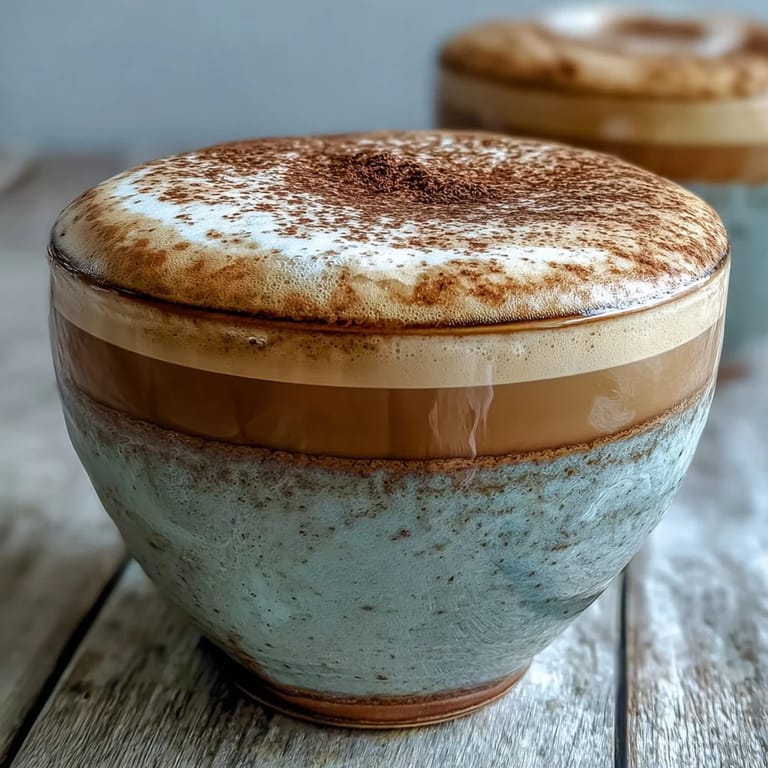
- Pour the strained tea into warmed cups, add sweetener if desired, then gently layer the steamed milk before crowning with the foam.
 Save to Pinterest
 This drink has become my go-to for slow Sunday mornings, especially when paired with a simple buttered croissant. There is something almost meditative about watching the foam settle into that perfect cappuccino layer, knowing I created something so soothing with my own hands.
Making It Your Own
I have experimented with different milk alternatives, and oat milk consistently creates the most convincing foam. The slight sweetness from oats actually enhances the caramel notes in the hojicha, creating a drink that feels indulgent despite being completely plant-based.
Perfecting the Foam
The secret to café-quality foam at home is patience. Keep your frother at an angle to create a whirlpool effect, and stop when the milk feels hot to the touch rather than waiting for it to reach boiling temperature. This creates micro-foam that is silky smooth rather than stiff and bubbly.
Serving Suggestions
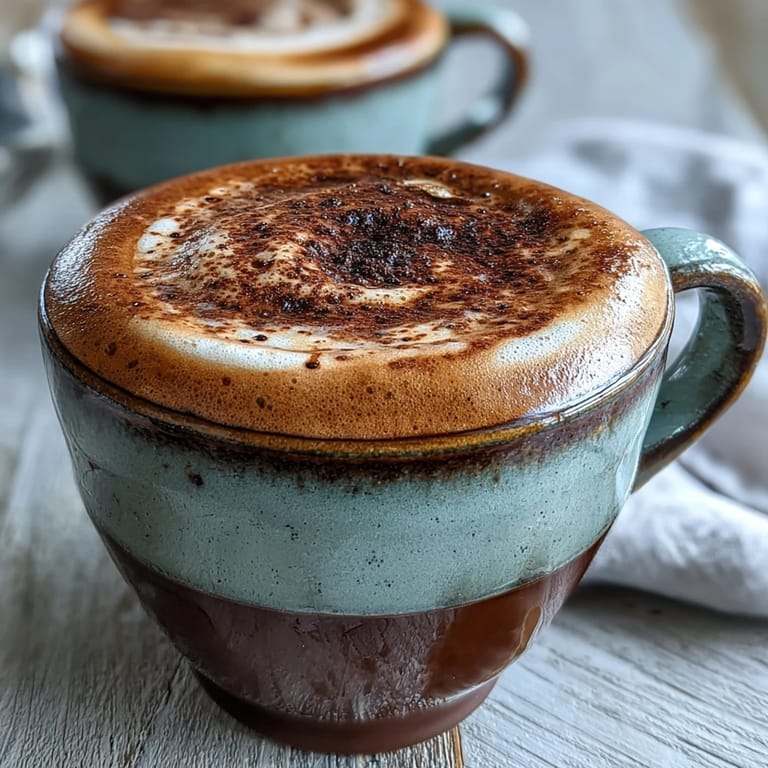
This cappuccino shines brightest when served in a pre-warmed ceramic cup that feels comfortable in your hands. The ritual matters as much as the final drink.
- Pair with Japanese wagashi for an authentic experience.
- A light dusting of hojicha powder adds visual appeal and extra flavor depth.
- Enjoy slowly, preferably while watching the rain or snow fall outside.
 Save to Pinterest
 Every cup feels like a small moment of peace in a chaotic world, and sometimes that is exactly what we need.
Recipe FAQs
- → What does hojicha taste like?
Hojicha has a distinctively nutty, toasty flavor with earthy undertones and low caffeine. The roasting process gives it a warm, comforting taste that's less bitter than other Japanese green teas.
- → Can I make this dairy-free?
Absolutely. Oat milk, almond milk, or soy milk work beautifully as alternatives to whole milk. Oat milk particularly complements the roasted notes of hojicha and froths well for that classic cappuccino texture.
- → How is this different from a regular cappuccino?
Instead of espresso as the base, this version uses hojicha tea. The result is a lighter beverage with unique roasted tea flavors rather than coffee's bold bitterness, making it perfect for those sensitive to caffeine or seeking a gentler option.
- → What pairs well with hojicha cappuccino?
This drink pairs wonderfully with light pastries, buttery cookies, or traditional Japanese sweets known as wagashi. The subtle sweetness of mochi or matcha-flavored treats complements the toasty notes perfectly.
- → Can I serve this iced?
Yes. Simply brew the hojicha tea and let it cool, then pour over ice before adding cold frothed milk. The refreshing iced version maintains the delicious roasted flavor while offering a cooling alternative for warmer weather.
- → Is hojicha high in caffeine?
Not particularly. Hojicha contains less caffeine than other green teas because the roasting process breaks down some caffeine compounds. One cup typically contains about half the caffeine of a standard cup of coffee, making it a gentler choice.