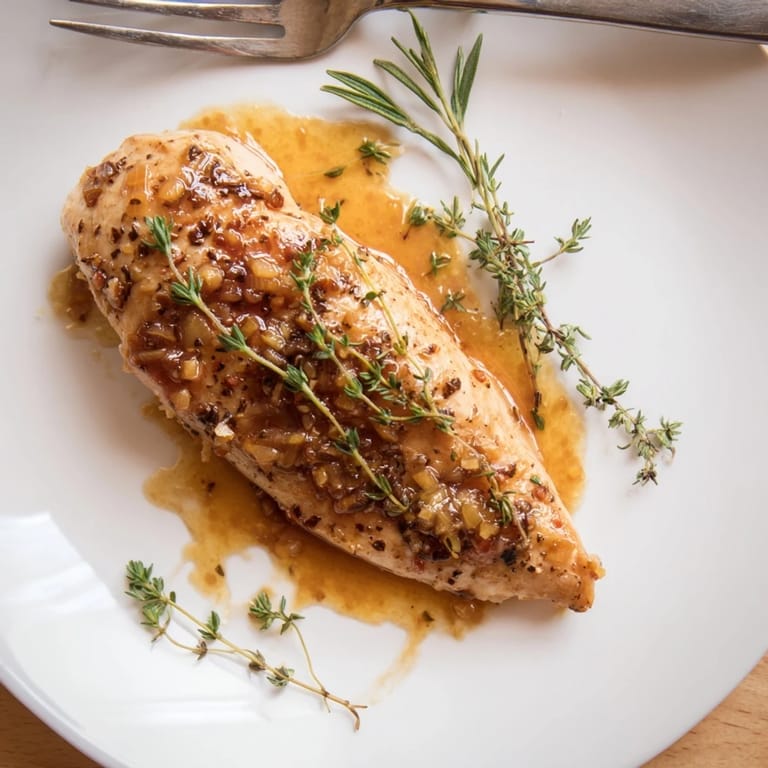
 Save to Pinterest
 My neighbor knocked on the door one Wednesday holding a jar of grainy mustard shed forgotten she bought. She asked if I had any idea what to do with it, and I said Id figure something out. That night I threw together chicken with whatever I had, honey, Dijon, garlic, and that whole-grain mustard she brought over. The kitchen smelled so good her kids asked if they could stay for dinner. Weve been trading jars and recipes ever since.
I made this the night my brother came home after months away, and he scraped his plate clean without saying a word. Then he looked up and asked if there was more. I realized then that food doesnt need to be fancy to feel like a celebration. Sometimes a skillet, a little sweetness, and the right balance of tang is all it takes to make someone feel like theyre home.
Ingredients
- Boneless, skinless chicken breasts: These cook fast and soak up the sauce beautifully, but make sure theyre similar in size so they finish at the same time.
- Dijon mustard: This is the backbone of the sauce, sharp and smooth, and it helps emulsify everything into a silky glaze.
- Honey: It balances the mustards bite and caramelizes slightly as the sauce reduces, adding a subtle sweetness that isnt overpowering.
- Whole-grain mustard: The seeds add texture and a gentle pop of flavor that makes the sauce feel more complex than it really is.
- Garlic: Mince it fine so it melts into the sauce and doesnt burn when you sauté it.
- Apple cider vinegar: Just a tablespoon brightens everything and keeps the sauce from feeling too heavy.
- Chicken broth: Low-sodium gives you control over the salt, and it loosens the sauce just enough to coat the chicken without being soupy.
- Fresh thyme and rosemary: These herbs make the whole dish smell like youve been tending it for hours, even though you havent.
- Olive oil: Use enough to get a good sear on the chicken, that golden crust is where the flavor starts.
- Fresh parsley: A handful at the end adds color and a hint of freshness that cuts through the richness.
Tired of Takeout? 🥡
Get 10 meals you can make faster than delivery arrives. Seriously.
One email. No spam. Unsubscribe anytime.
Instructions
- Season and dry the chicken:
- Pat each breast dry with a paper towel so they sear instead of steam, then sprinkle both sides with salt and pepper. Dont skip the drying step, it makes all the difference in getting that golden crust.
- Sear the chicken:
- Heat the olive oil in a large skillet over medium-high heat until it shimmers, then lay the chicken in gently and let it sizzle undisturbed for three to four minutes per side. You want a deep golden brown before flipping.
- Sauté the garlic:
- Lower the heat to medium, toss in the minced garlic, and stir it around for about thirty seconds until it smells toasty and sweet. Watch it closely so it doesnt burn and turn bitter.
- Build the sauce:
- Whisk together the Dijon, whole-grain mustard, honey, vinegar, and chicken broth right in the skillet, scraping up any browned bits stuck to the bottom. Let it come to a gentle simmer so the flavors start to meld.
- Add herbs and return the chicken:
- Stir in the thyme and rosemary, then nestle the seared chicken back into the sauce and spoon some over the tops. Cover the skillet and let everything simmer together for ten to twelve minutes.
- Check for doneness:
- Use a thermometer to check that the thickest part of the chicken reaches 165°F, or cut into one to make sure the juices run clear. If youre not sure, give it another minute or two.
- Thicken the sauce:
- Remove the lid, bump the heat up just a touch, and let the sauce bubble uncovered for two to three minutes until it clings to the back of a spoon. This is when it really starts to look glossy and gorgeous.
- Garnish and serve:
- Sprinkle chopped parsley over everything and serve the chicken with plenty of that sauce spooned on top. It belongs on everything you plate alongside it.
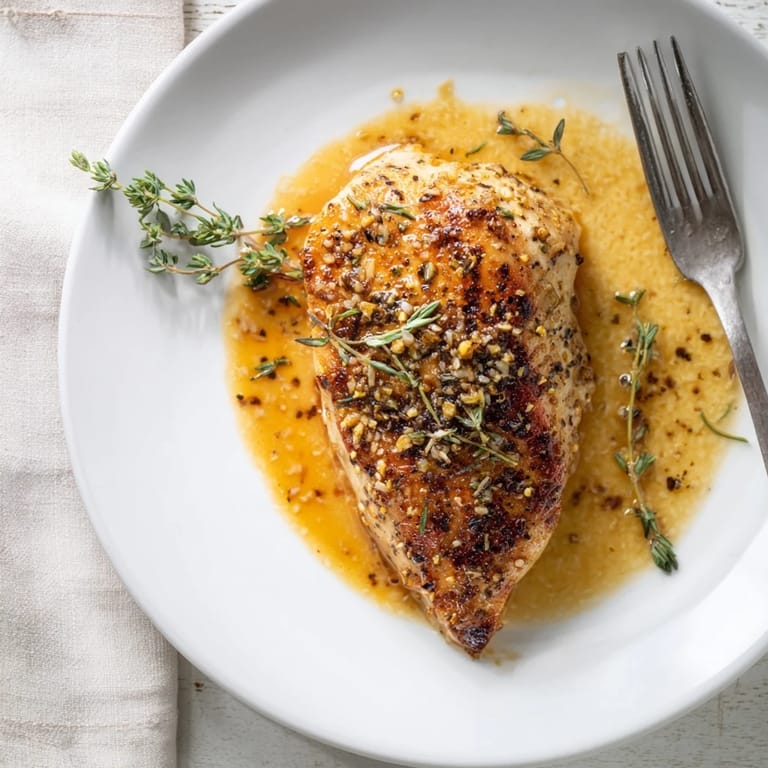 Save to Pinterest
 The first time I brought this to a potluck, someone asked for the recipe before theyd even finished their plate. I scribbled it on the back of a napkin, and a week later she texted me a photo of her own skillet with the caption, my husband wants this every week. Thats when I knew this wasnt just dinner, it was the kind of recipe that gets passed around and actually used.
What to Serve It With
This sauce is too good to waste, so serve it over something that soaks it up. I like jasmine rice or creamy mashed potatoes, but even a pile of roasted carrots or green beans will turn into something special when you spoon that glaze over them. If youre feeling indulgent, toast some crusty bread and use it to mop up every last bit from the plate.
Adjusting for Your Preference
If you want the sauce richer and more luxurious, stir in a couple tablespoons of heavy cream at the very end and let it swirl into the mustard and honey. For extra tang, add another splash of vinegar or a squeeze of lemon juice. And if youre cooking for someone who likes a little heat, a pinch of red pepper flakes in the sauce adds warmth without overpowering the sweetness.
Making It Ahead and Storing
You can sear the chicken and make the sauce a few hours ahead, then just reheat everything gently on the stove before serving. Leftovers keep well in the fridge for up to three days, and they actually taste better the next day once the flavors have had time to settle in. Reheat slowly in a covered skillet with a splash of broth so the chicken doesnt dry out.
- Slice leftover chicken and toss it with pasta and a little extra sauce for an easy lunch.
- Shred it and pile it onto a salad with roasted vegetables and a drizzle of the glaze.
- Freeze individual portions in sauce for up to two months, then thaw and reheat when you need dinner fast.
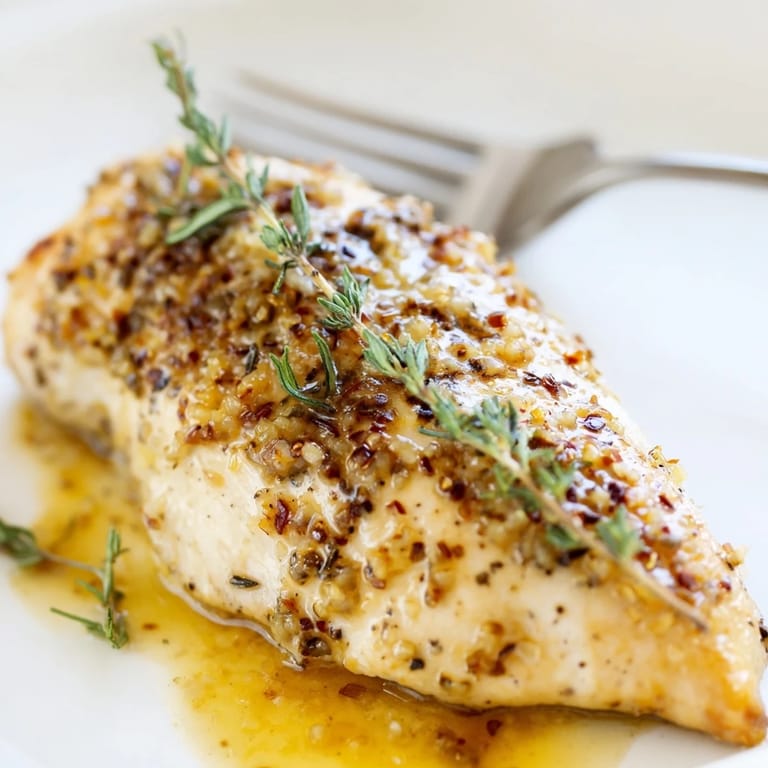 Save to Pinterest
 This is the kind of recipe that makes weeknights feel a little less rushed and a little more intentional. I hope it becomes one of those dishes you reach for without thinking, the one that always works and always tastes like home.
Recipe FAQs
- → How do I know when the chicken is fully cooked?
The chicken is done when it reaches an internal temperature of 165°F (74°C) when measured with a meat thermometer at the thickest part. You can also check by piercing the thickest breast with a knife—the juices should run clear with no pink coloration.
- → Can I substitute chicken thighs for the breasts?
Yes, chicken thighs work wonderfully in this dish and will be even more juicy. Since thighs are thicker, increase the simmering time to 15-18 minutes to ensure they're cooked through completely.
- → What's the best way to thicken the sauce?
After the chicken is cooked, remove the lid and simmer uncovered over slightly higher heat for 2-3 minutes to naturally reduce and concentrate the sauce. Alternatively, stir in 2 tablespoons of heavy cream for a richer, creamier sauce.
- → Is this gluten-free?
This dish is naturally gluten-free when made with gluten-free chicken broth and Dijon mustard. Always check the labels of your broth and mustard brands, as some may contain hidden gluten or be processed in facilities with gluten.
- → What sides pair best with this skillet?
This dish pairs beautifully with fluffy rice, creamy mashed potatoes, or roasted vegetables like Brussels sprouts or asparagus. The sauce is excellent for spooning over any of these sides.
- → Can I prepare this ahead of time?
You can prep all ingredients in advance—mince the garlic, measure out the sauce components, and chop the herbs. However, it's best to cook the chicken fresh when you're ready to serve for optimal texture and flavor.