 Save to Pinterest
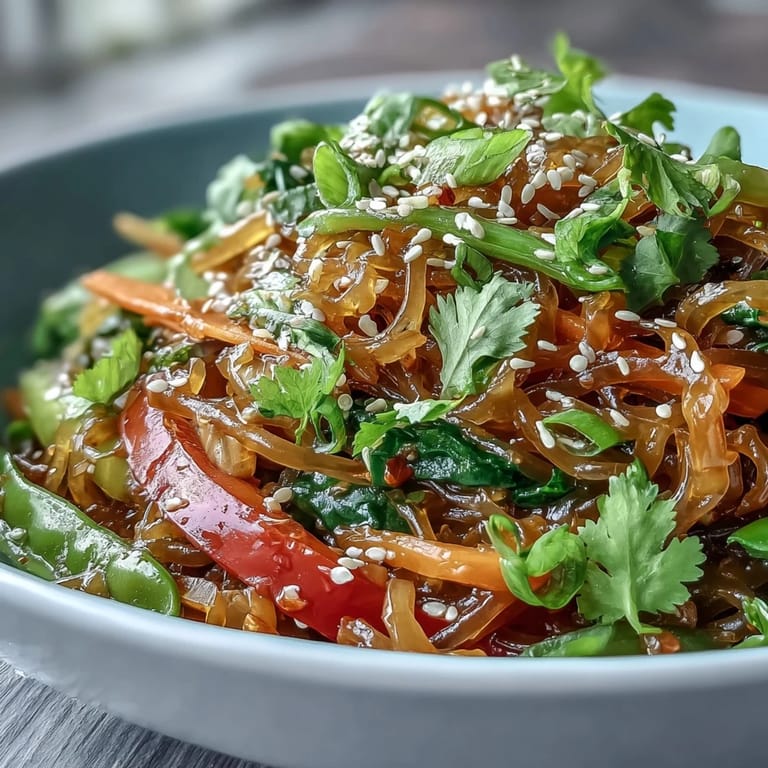
 I discovered kelp noodles by accident at an Asian market while hunting for something entirely different, and the cashier's enthusiastic recommendation stuck with me. That first attempt was humbling—I oversaturated them with sauce and ended up with a gummy mess, but something about their delicate, almost transparent texture fascinated me enough to try again. Now this stir-fry has become my go-to when I want something that feels indulgent but leaves me feeling genuinely nourished, not weighed down. The magic happens in those few minutes over high heat when everything comes together with a satisfying sizzle.
I made this for a friend who'd just started cutting back on heavy meals, and watching her face light up when she tasted it reminded me that health food doesn't have to taste like compromise. She asked for the recipe immediately, then called me a week later to say she'd made it three times already. That's when I knew this wasn't just another quick dinner—it was the kind of recipe people actually return to.
Ingredients
- Kelp noodles: These translucent, delicate strands are packed with minerals and virtually calorie-free, creating a satisfying base that won't leave you sluggish; rinse them thoroughly to remove any ocean brine.
- Red bell pepper: The sweetness balances the ginger's bite, and slicing it thin ensures it softens just enough while keeping its snap.
- Snap peas: They stay crisp-tender even with quick cooking, adding a textural contrast that keeps every bite interesting.
- Carrot: Julienning by hand (rather than a food processor) gives you more control and prevents the pieces from becoming too small and disappearing into the sauce.
- Baby spinach: It wilts almost instantly, so add it late to preserve its bright color and prevent overcooking.
- Green onions: The raw, slightly sharp bite at the end provides a flavor lift that ties everything together beautifully.
- Tamari: If you're gluten-free, this soy sauce alternative is essential—it's also slightly less salty, letting other flavors shine.
- Toasted sesame oil: Never skip the toasting step in the name—that nutty depth is what makes the sauce memorable, so use a proper Asian brand.
- Rice vinegar: It's gentler than white vinegar and adds brightness without harshness, grounding the sweetness of the maple syrup.
- Fresh ginger: Grating it directly into the sauce means the fibers release their oils instantly, giving you more punch than powdered ginger could ever offer.
- Maple syrup: A touch of natural sweetness rounds out the savory elements without overwhelming them; agave works just as well if that's what you have.
- Garlic: Mincing it finely ensures it distributes evenly and doesn't create harsh, burnt bits in the pan.
- Sesame seeds and cilantro: These are your finishing touches, the details that transform a good dish into one people remember and ask about later.
Tired of Takeout? 🥡
Get 10 meals you can make faster than delivery arrives. Seriously.
One email. No spam. Unsubscribe anytime.
Instructions
- Soak and soften the noodles:
- Pour warm water over your rinsed kelp noodles and let them sit for about 10 minutes—you'll feel them gradually soften and lose their rigidity. If you rush this step or use cold water, they'll remain chewy and tough rather than tender.
- Whisk your sauce into being:
- Combine all your sauce ingredients in a small bowl and whisk until the maple syrup fully dissolves and everything tastes balanced—take a taste with a spoon and adjust the vinegar or soy sauce if it needs it. This is your moment to tweak before everything hits the hot pan.
- Sauté the heartier vegetables:
- Heat your skillet or wok until it's genuinely hot (you should hear a sizzle the moment vegetables hit it), then add bell pepper, snap peas, and carrot. Toss them constantly for 3 to 4 minutes until they've softened slightly but still have resistance when you bite into them.
- Wilt the spinach and green onions:
- Push everything to the sides and add spinach to the center where it's hottest, then stir it all together until the green disappears into the mixture. Add green onions at the very end, just before the noodles, so they keep their bite.
- Bring the noodles in and toss everything:
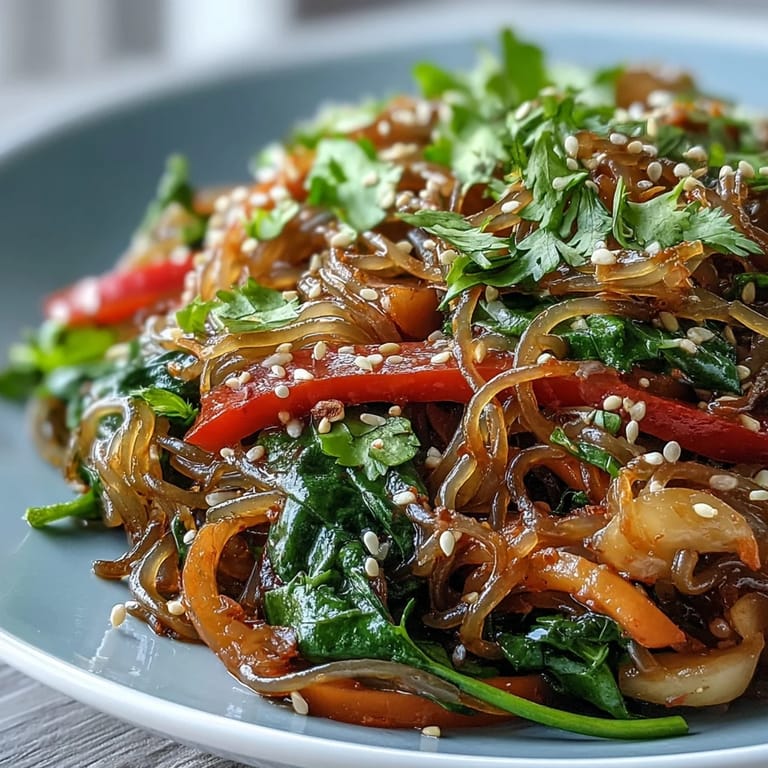
- Add your drained kelp noodles and pour in that sauce you made, then toss everything constantly for 2 to 3 minutes so every strand and vegetable piece gets coated. The sauce should glisten and cling to the noodles rather than pool at the bottom of the pan.
- Plate and finish:
- Transfer to bowls or plates immediately while everything's still hot, then scatter sesame seeds, cilantro, and a lime wedge over the top if you're using them. Those finishing touches aren't decoration—they're flavor multipliers that complete the dish.
 Save to Pinterest
 There's a moment right when everything hits the pan together—when the kitchen fills with that ginger and garlic aroma—that feels almost meditative. That's when I remember why I keep coming back to this recipe, because it's not just food; it's a small ritual that makes me feel intentional about what I'm eating.
Why Kelp Noodles Are Worth Your Time
Kelp noodles occupied a strange space in my cooking life for months—I'd see them in Asian markets and assume they were an acquired taste, too unusual for regular rotation. Then I realized they're actually the opposite: they're blank canvases that take on whatever sauce you give them, making them incredibly forgiving for beginners. They have a naturally silky, slightly springy texture that regular pasta can't replicate, and they won't turn to mush even if you accidentally leave them in the pan a few minutes too long.
Building Flavor When Calories Aren't Your Friend
One of the hardest lessons I learned in the kitchen was that light meals don't have to taste apologetic. This sauce proves it—by layering ginger, garlic, sesame oil, and vinegar, you create depth and complexity that has nothing to do with cream or butter. The toasted sesame oil is doing almost all the heavy lifting here, delivering richness in a single tablespoon that would take double the amount of olive oil to achieve. That's not deprivation; that's strategy.
Vegetables as the Real Star
I used to think vegetable stir-fries were just filler around the protein or noodles, but this recipe taught me that timing and heat make vegetables taste entirely different than you'd expect. The snap peas stay bright green because they're in the pan just long enough, the carrots maintain a gentle resistance, and the bell pepper sweetens slightly as it cooks. When you finish with raw spinach and green onions, you're capturing different texture and flavor notes that make the whole dish feel more complete.
- Don't prep your vegetables too far in advance—cut them right before cooking so they haven't started releasing moisture.
- If your wok or skillet isn't genuinely hot before you add vegetables, they'll steam instead of sauté.
- Taste the sauce on a vegetable before you add the noodles, because that's your last chance to adjust the balance.
 Save to Pinterest
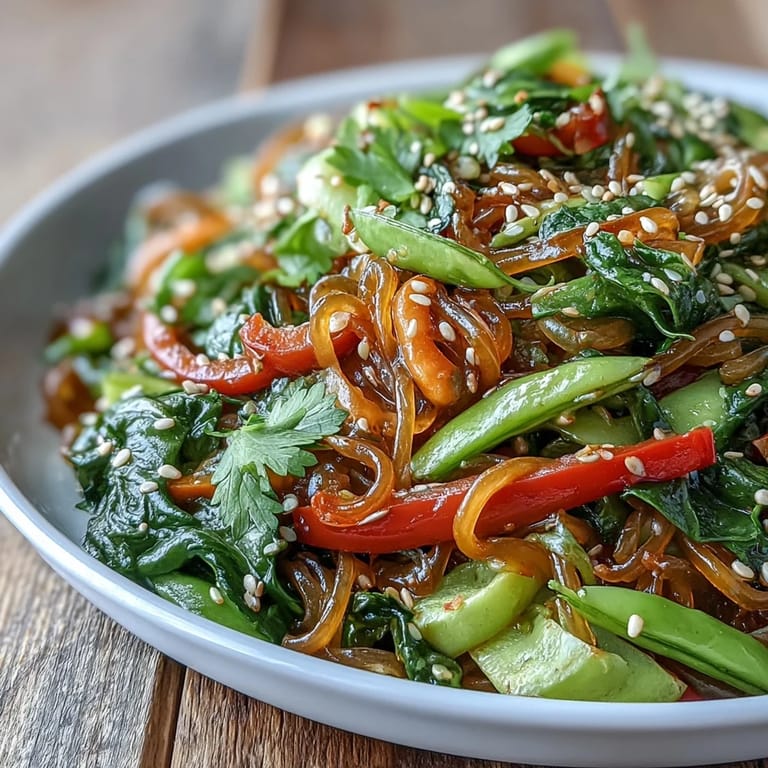
 This stir-fry lives somewhere between weeknight dinner and something you'd proudly serve guests, which is exactly where I want my go-to recipes to live. Give it a try, and I think you'll find yourself making it again sooner than you'd expect.
Recipe FAQs
- → Do kelp noodles need to be cooked?
Kelp noodles don't require traditional cooking. Soaking them in warm water for 10 minutes softens their texture while maintaining a pleasant crunch. They're ready to eat straight from the package but benefit from the warm soak and stir-frying process.
- → Can I add protein to this dish?
Absolutely. Cubed tofu, edamame, or cooked chickpeas work wonderfully. For non-vegan options, shredded chicken or shrimp pair beautifully with the Asian flavors. Add your protein during the vegetable stir-fry stage.
- → How long do leftovers keep?
Store in an airtight container in the refrigerator for up to 3 days. The noodles may soften further as they sit, but the flavors will continue to develop. Reheat gently in a skillet or enjoy cold.
- → What vegetables work best in stir-fry?
Bell peppers, snap peas, carrots, and spinach are excellent choices. Other great options include broccoli, zucchini, mushrooms, bean sprouts, and bok choy. The key is using vegetables that cook quickly and maintain some crunch.
- → Is this sauce spicy?
The sauce has mild warmth from chili flakes and ginger, but isn't overly spicy. Adjust the heat by adding more or fewer chili flakes, or include fresh sliced chilies for extra kick.