 Save to Pinterest
 There's something about the smell of mustard seeds popping in hot oil that stops me mid-morning and pulls me into the kitchen without a second thought. My grandmother used to make this mung bean soup on the quieter days, when the house felt too still and needed warmth filling it again. She'd soak the beans overnight without fail, insisting patience was half the recipe, and I've learned she was right. This soup became my answer to everything—a cold that wouldn't quit, a day that felt heavy, or simply when I wanted to eat something that felt like being taken care of.
I made this for my neighbor last winter when she was recovering from surgery, and watching her face when that first spoonful hit was worth every chopped vegetable. She asked for the recipe the same day, and now her kitchen smells like mine did that afternoon. That's when I realized this wasn't just comfort food—it was something I could pass forward.
Ingredients
- Mung beans: The foundation here—soak them overnight if you can, because it cuts your cooking time in half and makes them digest easier, which your body will thank you for.
- Onion: Chop it fine and watch it turn golden; that's where the sweetness comes from.
- Garlic and ginger: Fresh is non-negotiable—the smell is half the healing, trust me.
- Carrot: Adds natural sweetness and a slight earthiness that rounds out the spices.
- Tomato: Fresh and chopped, it breaks down into the broth and gives you acidity that balances everything.
- Green chili: Optional, but don't skip it unless heat isn't your thing—it wakes up every other flavor.
- Cumin and coriander: These two are best friends; together they're warm and grounding without being heavy.
- Turmeric: Golden, anti-inflammatory, and worth buying fresh if your store has it—the taste is entirely different.
- Black pepper: A whisper of heat that you notice if you're paying attention.
- Mustard seeds: They sizzle and pop, which is the moment you know your soup is about to become something special.
- Asafoetida: This one's optional but it adds something savory and complex that makes people ask what's in here.
- Water or vegetable broth: Broth gives you more flavor, but water lets the spices and beans shine on their own—either way works.
- Cilantro and lemon: These come at the end and lift everything, making it taste fresher than it did five minutes before.
Tired of Takeout? 🥡
Get 10 meals you can make faster than delivery arrives. Seriously.
One email. No spam. Unsubscribe anytime.
Instructions
- Prepare your beans:
- Drain and rinse the soaked mung beans under cool water, using your fingers to rub them gently—any loose skins that float away are okay to lose.
- Start with the seeds:
- Heat a splash of oil in your large pot over medium heat and add the mustard seeds. Listen for them to sizzle and pop, which takes about 30 seconds—this is the moment the soup starts its transformation.
- Build your base:
- Add the chopped onion, minced garlic, and grated ginger to the popping seeds. Stir and let them cook until the onion turns translucent and soft, about 3 minutes—your kitchen should smell incredible right now.
- Toast the spices:
- Stir in the diced carrot, chopped tomato, green chili if you're using it, and all your ground spices—cumin, coriander, turmeric, black pepper, and asafoetida. Cook for another 2 minutes so the spices toast slightly and become fragrant, which deepens their flavor.
- Build the soup:
- Add your drained mung beans and pour in the water or broth. Bring everything to a boil, then lower the heat so it's just a gentle simmer and let it cook uncovered for 35 to 40 minutes until the beans are completely soft and starting to break down slightly.
- Season and finish:
- Taste it, add salt to your preference, and stir in the fresh lemon juice and cilantro right before serving—the acid and green brightness make the whole thing sing.
 Save to Pinterest
 My mother-in-law told me once that this soup is what you make when someone needs proof that they're loved, and I've never forgotten it. Every time I ladle it into a bowl, I think about that—how food carries intention the way words sometimes can't.
The Secret of Texture
If you like your soup silky and thick, lightly mash some of the cooked mung beans right in the pot with the back of your spoon after the beans are soft. You're not breaking them completely—just encouraging about a quarter of them to collapse into the broth, which thickens everything naturally and gives it a creamy mouthfeel without any cream at all. This changes how filling the soup feels and how it coats your mouth, which somehow makes it taste richer even though it stays vegan and light.
How to Make It a Complete Meal
Serve this soup with steamed rice on the side, or tear apart some warm flatbread into your bowl and let it soften into the broth—either way becomes something more substantial and satisfying. I've also stirred in a handful of fresh spinach or kale in the last 5 minutes of cooking, which adds iron and doesn't change the flavor at all, just makes the soup feel even more nourishing.
Storing and Serving
This soup keeps beautifully in the refrigerator for up to five days, and it freezes even better—I portion mine into glass containers so future me has a quick meal waiting. The flavors actually deepen after a day or two, so don't be surprised if it tastes even better the next day. When you reheat it, add a splash of water if it's thickened too much, and finish with fresh cilantro and lemon again because those bright notes matter on round two.
- Cool it completely before freezing to avoid condensation that makes the top watery.
- Pairs beautifully with a dry Riesling if you're drinking wine, or a warm cup of herbal tea if you're not.
- Make extra and gift it to someone who could use quiet comfort in a bowl.
 Save to Pinterest
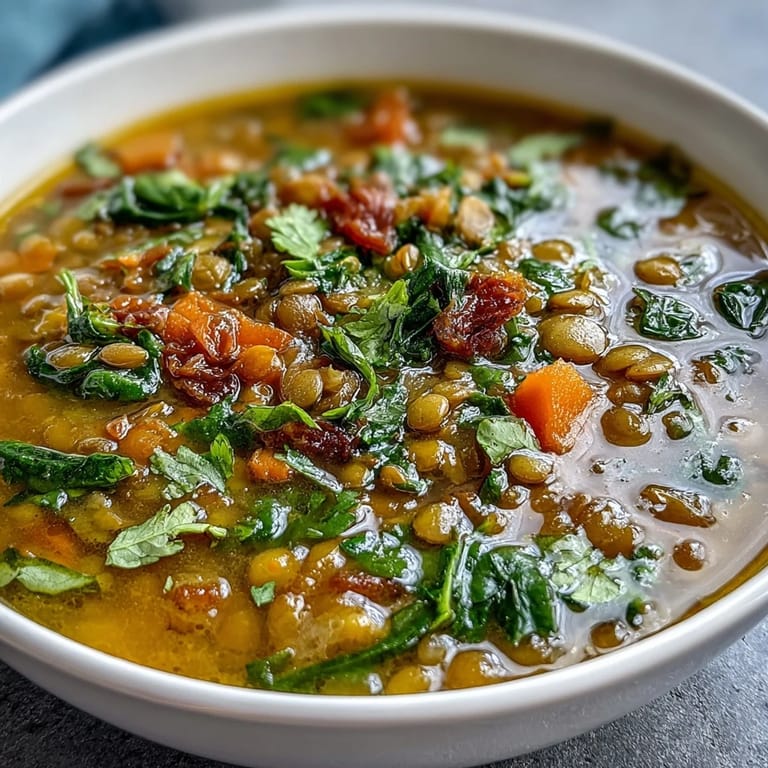
 This mung bean soup is the kind of recipe that grows with you, becoming whatever you need it to be in that moment. Make it, share it, adjust it, and let it become part of your kitchen story the way it became part of mine.
Recipe FAQs
- → Do I need to soak mung beans before cooking?
Yes, soaking dried mung beans for 4 hours or overnight helps them cook evenly and reduces simmering time. This step also makes them easier to digest and ensures a creamy texture in the finished soup.
- → Can I use split mung beans instead of whole?
Split yellow mung beans cook faster and break down more readily, creating a thicker, creamier soup. Reduce cooking time to 25–30 minutes if using split variety, and adjust liquid as needed.
- → How can I make this soup more protein-rich?
Add a handful of red lentils during simmering, stir in some coconut milk near the end, or serve with a side of quinoa. These additions boost both protein content and heartiness without compromising the traditional flavors.
- → What's the purpose of asafoetida in this soup?
Asafoetida, or hing, is a resin with a pungent aroma that adds savory umami depth. It enhances digestive properties and is commonly used in Indian cooking to amplify the overall flavor profile of legume-based dishes.
- → Can I freeze this soup for later?
Absolutely. This soup freezes beautifully for up to 3 months. Let it cool completely, transfer to airtight containers, leaving some space for expansion. Thaw overnight in the refrigerator and reheat gently, adding a splash of water if needed.
- → What can I serve with mung bean soup?
Steamed basmati rice, warm naan, or roti are traditional accompaniments. For a lighter option, serve with crusty bread or over quinoa. A simple cucumber salad on the side adds refreshing contrast to the warm, spiced broth.