 Save to Pinterest
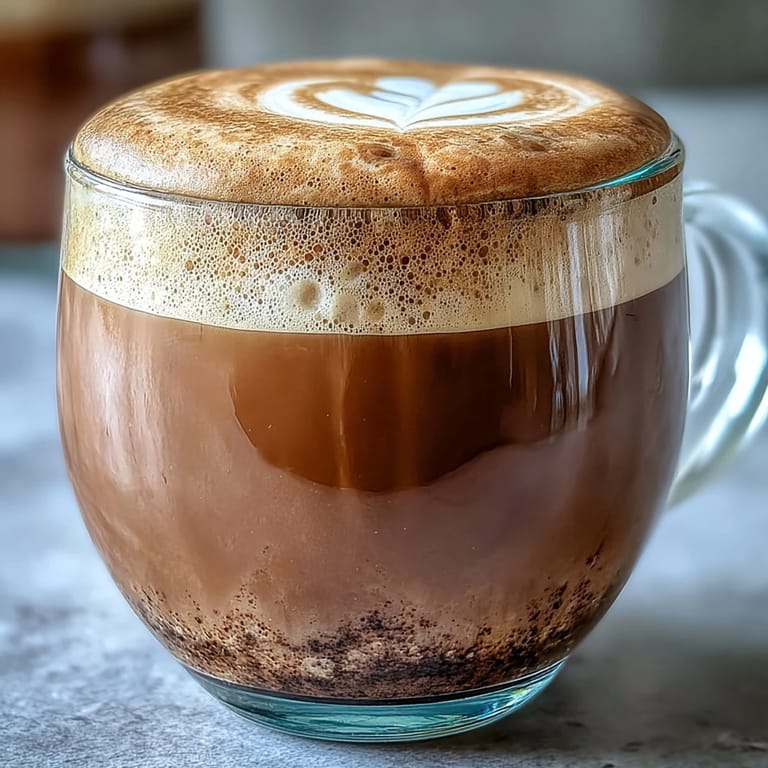
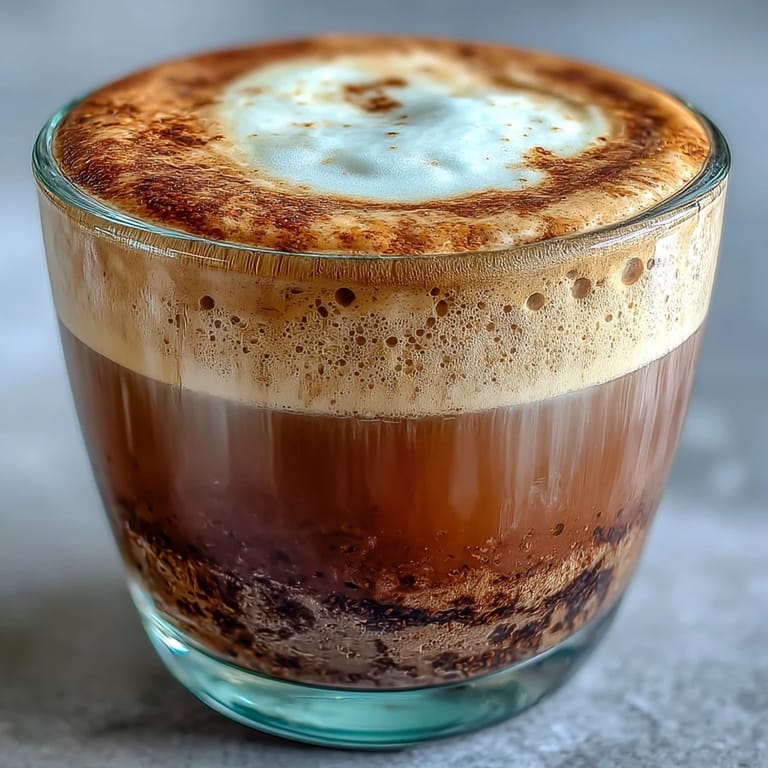
 The first time I encountered hojicha macchiato was during a quiet afternoon at a tiny Japanese tea house tucked away in the city. The barista placed this small cup before me, and I was immediately struck by how the frothed milk created this perfect white circle against the amber tea, like a tiny moon rising. I watched the steam curl up and caught that distinct roasted, nutty aroma that sets hojicha apart from every other green tea I have ever known. That single sip changed everything I thought about tea beverages, and I have been recreating that moment in my kitchen ever since.
Last winter, when my sister came over feeling completely overwhelmed with work deadlines, I made her two of these macchiatos. We sat at my kitchen table in comfortable silence while the rain pattered against the windows, and she actually closed her eyes after that first sip. She told me it was like being wrapped in a warm blanket, and now she texts me every time she makes one herself, usually sending a photo of that characteristic foam dot on top.
Ingredients
- 1 1/2 teaspoons hojicha loose leaf tea: The roasted, caramel notes here are absolutely essential, and I have found loose leaf gives a much richer flavor than tea bags
- 150 ml hot water (about 90°C): This temperature is perfect for extracting flavor without bitterness, and I always suggest using filtered water for the cleanest taste
- 40 ml whole milk: Whole milk creates the most luxurious foam, though oat milk has become my go-to alternative when I want something dairy-free
Tired of Takeout? 🥡
Get 10 meals you can make faster than delivery arrives. Seriously.
One email. No spam. Unsubscribe anytime.
Instructions
- Prepare the Hojicha Base:
- Heat your water to about 90°C and place the hojicha tea leaves in your teapot or mug. I like to warm my cup first with a splash of hot water so the tea stays at the perfect temperature.
- Steep the Tea:
- Pour the hot water over the tea leaves and let it steep for 2-3 minutes. The kitchen will start smelling wonderfully toasty and nutty, which is my favorite part of this whole process.
- Steam the Milk:
- While the tea steeps, heat and froth your milk until it creates those tiny, velvety bubbles. A small whisk works surprisingly well if you do not have a frother, just keep whisking until the milk doubles in volume.
- Combine and Serve:
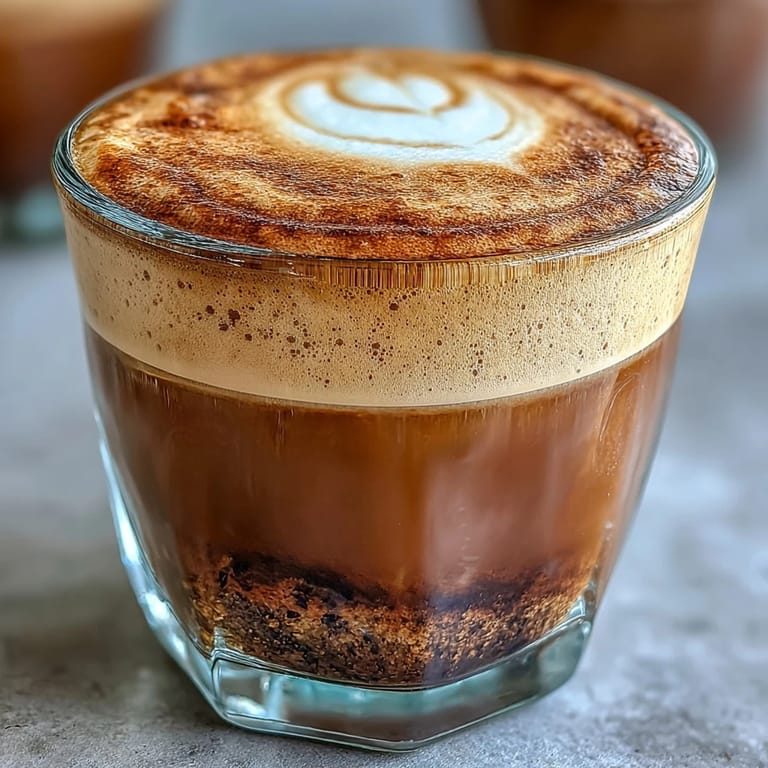
- Pour the brewed hojicha into a small espresso cup or demitasse. Gently spoon that cloud of milk foam right onto the center, watching it float like a perfect white pillow.
 Save to Pinterest
 This drink has become my Sunday morning ritual, something I make slowly while the house is still quiet and the sun is just starting to stream through the kitchen window. There is something almost meditative about watching the milk foam settle onto the tea, and that first sip always feels like a small moment of peace before the week begins.
Perfecting Your Milk Foam
After years of making these, I have discovered that cold milk straight from the refrigerator actually creates the best foam. The temperature difference helps those bubbles form more effectively, and I never make my milk hotter than 65°C or it loses that lovely microfoam texture. A handheld frother is worth every penny if you plan to make these regularly.
Understanding Hojicha
What makes hojicha so special is that it is roasted over charcoal, which gives it those incredible caramel and cocoa notes while lowering the caffeine content. I keep a small airtight container dedicated solely to my hojicha because its distinct aroma can actually transfer to other teas if stored together.
Serving Suggestions
The beauty of this drink lies in its simplicity, but I have found a few ways to make it feel extra special. Sometimes I dust the tiniest pinch of cinnamon or cocoa powder over the foam for a finished look. A clear glass cup shows off that beautiful layer effect if you are serving guests. The drink really is best enjoyed immediately while that foam is still holding its shape.
- Use the smallest cup you have because this is meant to be sipped slowly and savored
- Try adding a drop of vanilla extract to the milk before frothing for a subtle twist
- Experiment with different milk temperatures to find what feels most comforting to you
 Save to Pinterest
 There is something deeply satisfying about creating such an elegant, café-worthy drink in your own kitchen. I hope this becomes one of those recipes you turn to when you need a moment of calm.
Recipe FAQs
- → What does hojicha taste like?
Hojicha has a distinctively roasted, nutty flavor with caramel undertones. Unlike other green teas, it lacks bitterness and offers a smooth, earthy taste that pairs beautifully with creamy milk.
- → Is hojicha macchiato caffeinated?
Yes, but hojicha contains less caffeine than other green teas due to the roasting process. One serving typically has about 20-30mg of caffeine, making it suitable for afternoon enjoyment.
- → Can I make hojicha macchiato without a milk frother?
Absolutely. Heat milk on the stove or in the microwave, then whisk vigorously by hand or use a handheld whisk to create foam. The texture may be slightly less airy but still delicious.
- → What milk alternatives work best?
Oat milk froths exceptionally well and creates a creamy texture similar to dairy. Soy milk also performs beautifully. Both options complement hojicha's roasted notes naturally.
- → Should I add sweetener?
Hojicha's natural sweetness means many enjoy it unsweetened. However, honey, brown sugar, or maple syrup can enhance the caramel notes. Add sweetener while the tea is hot for best dissolution.
- → What's the difference between hojicha macchiato and hojicha latte?
A macchiato features a concentrated tea base with just a dollop of milk foam on top, while a latte blends more steamed milk throughout. The macchiato style emphasizes the roasted tea flavor intensity.