 Save to Pinterest
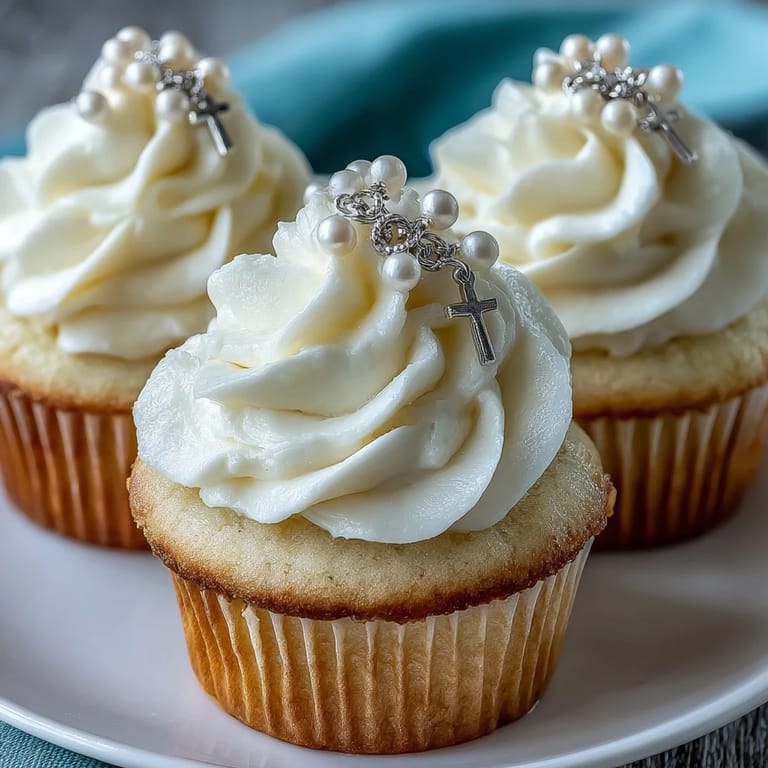
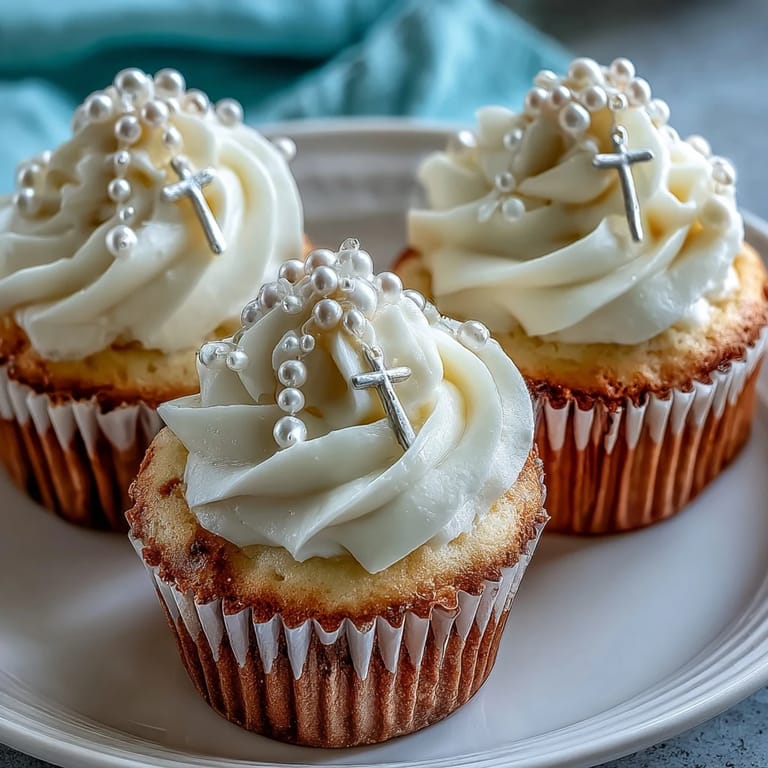
 My cousin's First Communion was supposed to be formal and pristine, but what I remember most is standing in my kitchen at midnight the night before, laughing at how lopsided my first fondant cross looked. That's when I realized these delicate mini cupcakes with their tiny rosary toppers weren't about perfection—they were about the quiet joy of making something meaningful by hand. The vanilla sponge is impossibly tender, the buttercream melts like silk, and those fondant beads strung together become something almost spiritual when you're decorating them with intention.
I made a test batch for my neighbor's church potluck, and something shifted when I watched a little girl recognize the rosary topper and carefully lift it off before eating her cupcake, like it was something to be treasured. Her mom told me later she kept it in her jewelry box. That's when I understood these aren't just cupcakes—they're edible keepsakes.
Ingredients
- All-purpose flour: The foundation that keeps these tender without becoming fragile; I always sift mine before measuring because I learned the hard way that packed flour makes them dense.
- Granulated sugar: Creams beautifully with softened butter to create the light, airy crumb that makes these feel special.
- Baking powder and baking soda: This combination ensures a gentle rise that doesn't dome or crack in the center.
- Unsalted butter: Room temperature is non-negotiable; cold butter won't cream properly and you'll end up with a heavy batter.
- Eggs at room temperature: They incorporate more evenly into the batter, creating a smoother texture throughout.
- Whole milk: Keeps the crumb delicate and adds subtle richness that elevates them beyond basic vanilla.
- Pure vanilla extract: Use real extract, not imitation; the flavor difference is what makes people close their eyes when they take a bite.
- Powdered sugar for frosting: Always sift it first to avoid lumpy buttercream, a mistake I made once that taught me this one step matters.
- White fondant: Look for quality brands that don't taste gritty; cheaper versions can feel chalky on the tongue.
- Edible pearls: These catch light beautifully and make the rosaries look genuinely elegant without requiring advanced sculpting skills.
Tired of Takeout? 🥡
Get 10 meals you can make faster than delivery arrives. Seriously.
One email. No spam. Unsubscribe anytime.
Instructions
- Prepare your canvas:
- Preheat your oven to 350°F and line that mini muffin tin with liners—trust me, skipping this step leads to frustration and lost cupcakes.
- Build the dry foundation:
- Whisk flour, baking powder, baking soda, and salt in a bowl until they're evenly distributed; this prevents pockets of baking soda that leave metallic notes.
- Cream the butter and sugar:
- Beat softened butter with granulated sugar for 2-3 minutes until it's pale and fluffy, which incorporates air that makes the cupcakes rise gently. This is where the magic starts, and you'll hear the mixer slow slightly as the mixture becomes lighter.
- Marry the eggs:
- Add eggs one at a time, mixing well between each; this patience prevents the batter from becoming grainy or separated.
- Weave wet and dry together:
- Alternate adding the dry mixture and milk, starting and ending with dry ingredients, mixing gently until just combined. Over-mixing creates tough cupcakes, so stop as soon as you don't see streaks of flour.
- Fill with intention:
- Divide batter evenly among liners—about 2/3 full—using a small scoop so each cupcake rises at the same rate and looks uniform.
- Bake until golden:
- Bake for 12-15 minutes until a toothpick comes out clean and the tops are barely golden; the centers should still feel slightly springy when pressed gently. Let them cool in the pan for 5 minutes before moving to a wire rack.
- Whip the frosting:
- Beat softened butter until creamy, gradually add sifted powdered sugar, then vanilla, salt, and milk until it's smooth and spreadable. Don't skip the gradual addition of sugar—dumping it all in at once creates lumps that no amount of beating fixes.
- Frost with care:
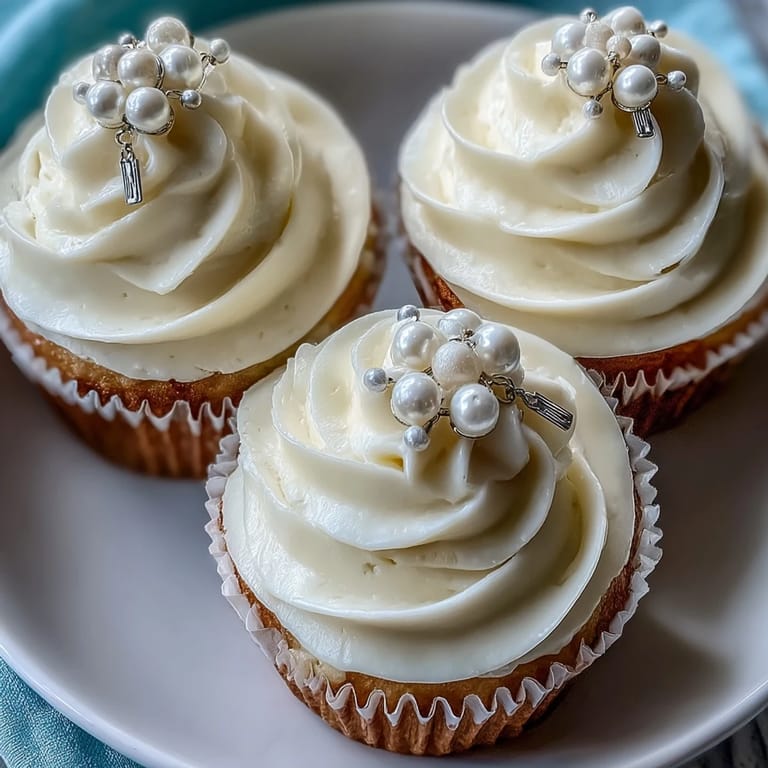
- Use a piping bag with a small round tip or a spatula to apply frosting evenly, creating small peaks that catch light beautifully.
- Sculpt the rosaries:
- Roll fondant into pea-sized balls, string them together in a short chain using a damp brush between each bead. Shape a small cross using a cutter or knife, then attach everything together, setting them aside to firm up for at least 30 minutes before placing on cupcakes.
- Crown each cupcake:
- Place fondant rosaries on frosted cupcakes just before serving, so the fondant stays pristine and the overall presentation feels fresh.
 Save to Pinterest
 There's something almost meditative about rolling those tiny fondant beads, one after another, thinking about the person the celebration is for. The repetitive motion becomes a kind of prayer, and when you string the last bead and step back to see the rosary whole, you understand why people hand these to children with reverence.
The Science of Small Cakes
Mini cupcakes bake differently than their full-sized cousins because of surface area—more exterior means faster browning, which is why timing is shorter and attention is crucial. I learned this when my first batch turned slightly dark before the centers set, and now I check them at 12 minutes rather than trusting the recipe blindly. The smaller size also means these cupcakes stay fresher longer because they dry out slower, a surprising benefit I discovered when leftovers lasted until day three.
Personalizing Your Rosaries
The fondant beads are your chance to make these truly personal—I've used pale pink for a girl's celebration, soft blue for a boy's, and even edible gold for a family that wanted something extra fancy. You don't need advanced sculpting skills; uniform spheres and one simple cross are all you need to create something guests remember. I once accidentally made a rosary with beads in three different sizes, and rather than starting over, I decided it looked charming and handmade, which it was.
Making These Ahead
Bake the cupcakes up to two days ahead and store them in an airtight container, then frost and top them the morning of your event for maximum freshness. The fondant rosaries can be made several days early and stored in a cool, dry place in an airtight container, which actually gives them time to firm up beautifully. This flexibility means you can break the work into manageable pieces rather than facing everything at once.
- Make fondant rosaries up to one week ahead for truly stress-free assembly day.
- Frost cupcakes no more than 8 hours before serving so buttercream stays silky and pristine.
- Keep unfrosted cupcakes at room temperature for the best, most tender texture.
 Save to Pinterest
 These cupcakes carry meaning beyond their sweetness, transforming a milestone into something edible and unforgettable. They're proof that the most memorable celebrations often come from the small touches made by hand.
Recipe FAQs
- → What flour is best for these cupcakes?
All-purpose flour ensures a tender yet sturdy crumb, perfect for supporting the frosting and fondant decorations.
- → Can I flavor the frosting differently?
Yes, almond extract can replace vanilla for a nutty twist, enhancing the buttercream’s depth.
- → How do I prevent the fondant rosary from drying out?
Store fondant toppers in an airtight container at room temperature until ready to place atop the cupcakes.
- → What’s the ideal baking time for mini cupcakes?
Bake for 12 to 15 minutes at 350°F (175°C) or until a toothpick inserted comes out clean to avoid overbaking.
- → Can the fondant beads be colored?
Yes, use food coloring to tint fondant beads in pastel shades like pink, blue, or gold for personalized decorating.